
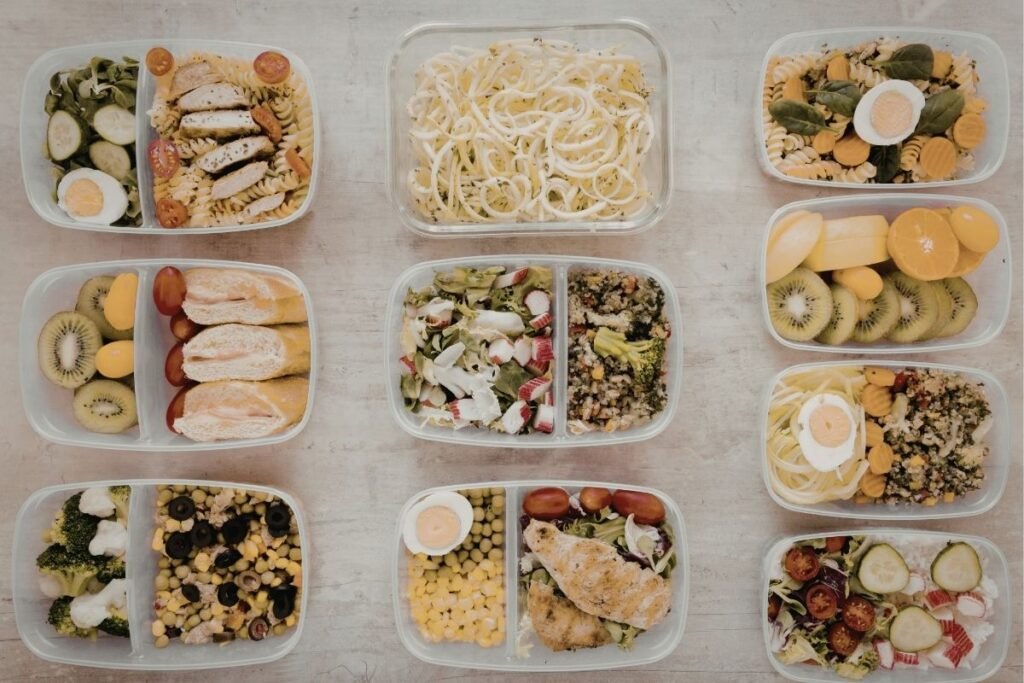
It’s 6 PM on a Wednesday, and you’re staring into your empty refrigerator wondering what to cook for dinner. The weight of decision-making, combined with the exhaustion of the workday, makes cooking from scratch feel impossible.
You grab takeout again, spending money you didn’t plan to spend and eating food that doesn’t align with your health goals. This pattern repeats throughout the week until your weekends are consumed by feeling guilty about poor choices and excessive spending.
What if Sunday cooking could eliminate this entire cycle of stress and poor decisions? Meal prep transforms weeknights from stressful scrambles into calm evenings where dinner is literally ready and waiting for you.
Throughout this guide, you’ll discover 10 meal prep ideas that simplify weeknight cooking and reclaim your evenings. These strategies work whether you’re trying to save time, money, eat healthier, or all three simultaneously.
Why Meal Prep Ideas Matter More Than You Think
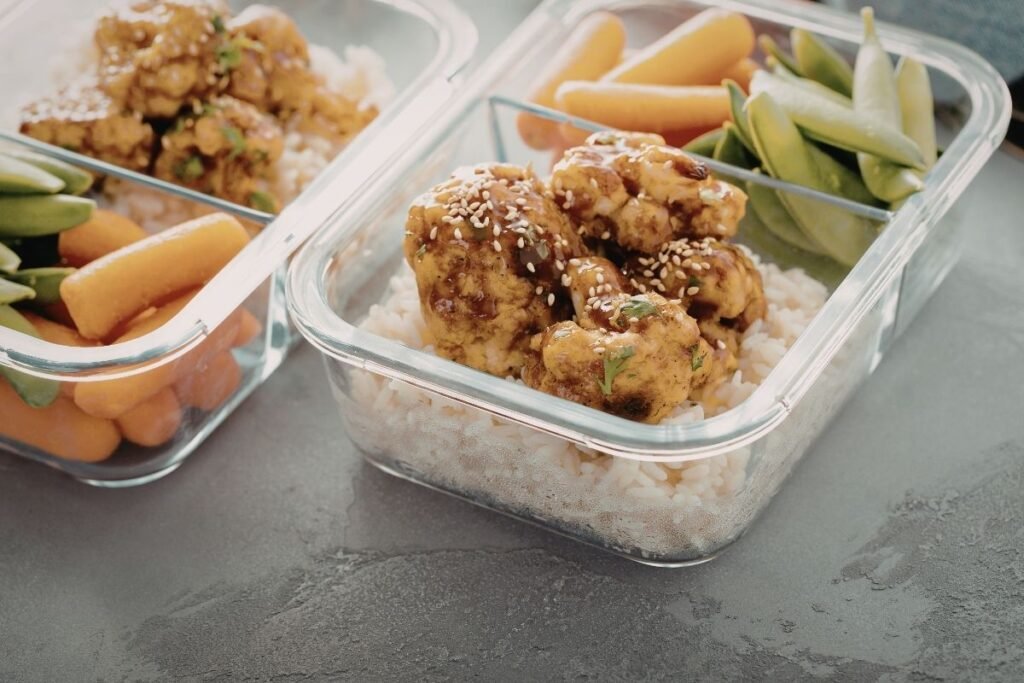
Meal prep is more than just a cooking technique; it’s a lifestyle strategy that eliminates the daily chaos of wondering what to eat. When meals are prepared in advance, you reclaim your evenings and remove decision fatigue from your day.
The financial impact of meal prep is substantial because you eliminate impulse takeout orders that happen when you’re too tired to cook. You also reduce food waste by using ingredients before they spoil rather than watching them go bad in your refrigerator.
Nutritionally, meal prep ensures you eat well consistently rather than making poor choices when exhausted. Your body benefits from consistent healthy eating in ways that sporadic dieting simply cannot match.
Also read: Easy Dinner Ideas: 20+ Quick Recipes for Busy Families
What Is Meal Prep?
Meal prep means cooking food in advance so you have ready-to-eat or quick-to-finish meals throughout the week. The approach varies from preparing individual components separately to cooking complete meals in containers.
Meal prep doesn’t mean eating the same thing every day unless you want to. Component-based prep allows you to mix and match different combinations from the same base ingredients.
10 Meal Prep Ideas That Actually Work
The meal prep approaches that follow are organized by philosophy so you can choose what fits your life. Some provide maximum flexibility through components, others offer convenience through complete meals, and others fall somewhere in between.
Protein-Focused Meal Prep
Protein-focused meal prep begins with cooking proteins in bulk, then pairing them with different sides throughout the week. This approach provides maximum flexibility because the same protein works in multiple cuisines.
Grilled Chicken Breast Meal Prep
Grilled chicken breasts are the foundation of countless meal combinations and take just 30 minutes to prepare for the entire week. Simply pound chicken breasts thin, season them, grill until cooked through, and store in containers.
This cooked protein keeps 3-4 days in the refrigerator and freezes beautifully for later use. Pair with rice bowls, wraps, salads, pasta, or grain bowls depending on what sounds appealing that day.
Ground Meat (Beef or Turkey) Meal Prep
Ground meat cooked in bulk provides protein that works in tacos, pasta sauce, rice bowls, and lettuce wraps. Brown ground meat with aromatics and seasonings, then divide into containers.
This versatile cooked protein adapts to multiple cuisines and flavor profiles throughout the week. The flexibility prevents boredom while the single cooking session saves tremendous time.
Slow Cooker Pulled Pork or Chicken
Slow cooker meals are the ultimate low-effort meal prep because cooking happens while you do other things. Simply place pork shoulder or chicken in a slow cooker with broth and seasonings, then let it cook for 6-8 hours.
Shredded meat keeps 4-5 days refrigerated and freezes for months, providing protein for sandwiches, bowls, tacos, and salads. This approach transforms affordable cuts into tender, delicious protein.
Vegetable-Forward Meal Prep
Vegetable-forward meal prep emphasizes produce, using proteins and grains as supporting components rather than the focus. Roasted vegetables keep 4-5 days and provide nutrition and flavor to multiple meals.
Roasted Vegetable Trays
Roasted vegetables are the quickest meal prep because you simply toss vegetables with oil and seasonings, spread on sheet pans, and roast. This creates multiple servings of vegetables that work as sides or salad bases.
Different vegetables roast beautifully, from broccoli and Brussels sprouts to bell peppers and zucchini. Roasted vegetables taste better than raw or steamed versions, making healthy eating actually enjoyable.
Grain and Vegetable Bowls
Complete grain and vegetable bowls contain everything you need for a meal in a single container. Cook grains, roast vegetables, add protein, and divide into containers with dressing on the side.
These meals require only reheating and provide complete nutrition without any morning or evening cooking. Variety comes from changing vegetables, grains, and proteins throughout the week.
Vegetable Soup or Stew
Soups and stews are economical meal prep that uses inexpensive ingredients and creates filling meals. Prepare large batches, cool completely, then divide into containers for freezing.
Frozen soup keeps 2-3 months and provides grab-and-reheat convenience throughout your month. This approach is perfect for batch cooking on Sunday and eating well for weeks.
Mix-and-Match Component Meal Prep
Component-based meal prep provides maximum flexibility by preparing proteins, grains, and vegetables separately. Throughout the week, you combine different components into new meals, preventing boredom.
Proteins Plus Separate Sides
Prepare multiple proteins, several grain options, and several vegetable sides, then combine them differently each day. One day becomes a rice bowl, another becomes a salad, and another becomes a wrap.
This approach provides tremendous variety from limited cooking effort. You literally eat different meals throughout the week using the same components.
Breakfast Meal Prep Containers
Breakfast containers with eggs, vegetables, potatoes, and cheese provide grab-and-go convenience for mornings. Prepare egg muffin cups or sheet pan breakfasts, cool, divide, and reheat as needed.
Breakfast prep eliminates morning decision-making and ensures you eat something nutritious. These containers freeze beautifully for longer-term storage.
Snack and Side Component Prep
Prepare snack components like nuts, cheese, fruit, and vegetables separately so you can grab what appeals each day. This prevents unhealthy snacking by making healthy options convenient.
Component snacking reduces the temptation to grab vending machine food because nutritious options are already prepared. This approach supports weight loss and stable energy throughout the day.
Meal Prep Planning Strategy
Successful meal prep begins with planning exactly what you’ll prepare, how many servings you need, and what ingredients that requires. Create a shopping list before cooking so you buy only what you need.
Block specific time on your calendar for meal prep, treat it like an important appointment, and gather all equipment first. Cooking multiple items simultaneously through batch cooking saves both time and energy.
Equipment for Easy Meal Prep
You need surprisingly little equipment for effective meal prep. A sharp knife and cutting board speed up vegetable prep dramatically, while sheet pans and large pots are essential.
Storage containers are crucial because proper containers keep food fresh and make organization easy. Labels with dates prevent food waste and ensure you remember what needs eating first.
Storage and Food Safety in Meal Prep
Proper storage determines how long prepped meals last, so invest in airtight containers that keep food fresh. Allow hot food to cool before refrigerating to maintain food safety and prevent overcooking during storage.
Label everything with the date prepared and know that most prepped meals last 3-4 days refrigerated. Freezing extends longevity to 2-3 months, making large batch cooking worthwhile.
Meal Prep for Different Goals
Weight loss meal prep emphasizes portion control, high protein, and vegetables. Muscle building focuses on adequate protein, carbs, and healthy fats to support workouts.
Budget-conscious prep uses seasonal produce and bulk proteins to minimize costs. Busy professionals prioritize convenience and minimal ingredients. Everyone benefits from the core meal prep advantage of eliminating weeknight stress.
Common Meal Prep Mistakes to Avoid
Over-preparing leads to food waste when you make too much. Under-seasoning creates bland food you don’t want to eat, defeating the purpose of meal prep.
Making the same meal all week causes boredom that leads to abandonment. Not planning first results in wasted ingredients and cooking effort.
Meal Prep Recipes and Ideas
Simple protein bases work with multiple seasonings and sides for variety. Grilled chicken plus Italian herbs creates one meal, while the same chicken with Mexican seasonings creates a completely different plate.
Cook multiple grains simultaneously to provide options throughout the week. Combine components differently each day to prevent boredom while maintaining the time-saving advantage of advance cooking.
Frequently Asked Questions About Meal Prep Ideas
How much time does meal prep actually take?
Plan 1-3 hours depending on complexity, but this replaces daily cooking throughout the week. Most people find the time investment worthwhile for the stress reduction alone.
How long do prepped meals stay fresh?
Most prepped meals last 3-4 days refrigerated and many freeze for 2-3 months. Label everything with dates and use oldest meals first.
What’s the best meal to start prepping?
Lunch is easiest because it’s portable and you can prepare the same components multiple ways. Starting with just lunch prep still provides significant time savings.
Can I meal prep if I have limited freezer space?
Yes, focus on meals that last 3-4 days in the refrigerator and prep more frequently. Weekly prep sessions work fine without freezing capacity.
How do I prevent boredom with meal prep?
Rotate 3-4 different base meals throughout the week or use component-based prep for daily variety. Varying seasonings and sides creates different meals from similar ingredients.
Is meal prep only for weight loss or fitness?
No, anyone wanting to save time, money, and eat healthier benefits from meal prep. The approach adapts to any goal or lifestyle.
What if I don’t like eating the same meal multiple times?
Prepare different complete meals or use components separately for variety. Component-based prep solves this problem completely.
Can I meal prep breakfast and snacks too?
Absolutely, breakfast and snacks are actually easier to prep than main meals. Breakfast containers and snack components prevent morning chaos and unhealthy snacking.
What equipment is essential for meal prep?
Sharp knife, cutting board, storage containers, and a cooking vessel are sufficient. Additional equipment helps but isn’t necessary for success.
How do I know if prepped food has gone bad?
Label with dates, use oldest first, and discard if unusual smell or appearance develops. Most prepped meals last 3-4 days without issue if stored properly.
Conclusion
Meal prep transforms weeknights from stressful scrambles into calm evenings where dinner is literally waiting for you. The time-saving, money-saving, and health-promoting benefits of advance cooking make it one of the most valuable habits you can establish.
Start with one meal prep idea this weekend and experience how it simplifies your week. As you discover which approaches work best for your life, you’ll build sustainable meal prep habits that support your goals and reduce your stress indefinitely.